
Pros & Cons: Aluminum vs Stainless Boat Props

Deciding between an aluminum prop and a stainless steel prop [...]
Deciding between an aluminum prop and a stainless steel prop can feel daunting, especially when you want to optimize your boat’s performance. Both materials have distinct advantages and drawbacks, influencing factors like hole shot, durability, and overall handling. At our trusted prop shop, we understand how the right prop impacts everything from shallow cruising to offshore excursions. Below, we break down the pros and cons of each, guiding you toward the ideal choice for your vessel.
Stainless Steel Props
Pros of Stainless Steel Props
Opting for a stainless steel prop can significantly boost your boat’s performance. Because stainless steel is sturdier than aluminum, it allows for thinner blades that slice through water with less drag. This improvement often delivers a better hole shot, letting you reach plane more rapidly. Many boaters also appreciate how stainless steel propellers transfer engine power efficiently, which can enhance fuel economy over time. If you navigate diverse waters—from coastal runs to inland lakes—a stainless steel prop offers the consistency you need.
Durability is another key benefit. Stainless steel resists impact better than its aluminum counterpart, making it less prone to dings or bending when you encounter debris or shallow water. This extra resilience can save you money in the long run, since the prop is more likely to remain true to its original prop design. Boaters who push their craft to the limit often prefer stainless steel propellers to ensure peak performance under stress.
Cons of Stainless Steel Props
While stainless steel propellers boast notable upsides, there are trade-offs. First, stainless steel props usually cost more than aluminum propellers, creating a higher initial investment. This can be challenging if you’re on a tight budget or you simply want a spare prop on hand. Additionally, the solidity of stainless steel means more force transfers to your prop shaft upon sudden impact, potentially damaging internal components. If you run aground or strike submerged obstacles in shallow water, that rigid design might do harm before bending.
Weight is another factor worth considering. Stainless steel is heavier than aluminum, which might not be ideal for smaller vessels requiring lighter parts. Although the difference often goes unnoticed on medium or large boats, those with compact rigs sometimes find this extra heft cumbersome. In the end, ensure you match your prop choice to your boat size and typical use.
Aluminum Props
Pros of Aluminum Props
An aluminum prop offers affordability and availability, making it a go-to choice for many boaters. If you’re upgrading from a factory default or simply experimenting with prop design, it’s easy to find an al prop option that fits your engine. This accessibility matters when you’re looking for quick replacements—particularly if you can’t wait for a specialized stainless prop to ship. Plus, because aluminum is lighter, you don’t face as many weight constraints, which benefits smaller craft or those running with an outboard motor propeller setup.
Beyond cost, the softer nature of an aluminum propeller can act as a buffer for your engine. If you hit debris, the aluminum blade is more likely to bend or break, sparing the engine’s gears and your prop shaft from extensive damage. This quality proves valuable if you frequently boat in rivers, lakes, or other shallow water areas.
Cons of Aluminum Props
Despite the advantages, an aluminum prop isn’t immune to drawbacks. Because aluminum is softer than stainless steel, thinner blades might deform more easily under stress, which can reduce efficiency and overall performance. Over time, repeated strikes can significantly degrade your aluminum propeller. Boaters aiming for top-tier results may find that this wear hinders fast acceleration or a crisp hole shot.
While initial costs tend to be lower, long-term expenses add up if you’re repeatedly fixing or replacing an aluminum prop. Additionally, aluminum’s greater flex under load can marginally dampen boat’s performance, especially if you routinely operate at high speeds. Those seeking competitive handling might consider upgrading to stainless steel for superior responsiveness.
Factors to Consider When Choosing
Boating Style
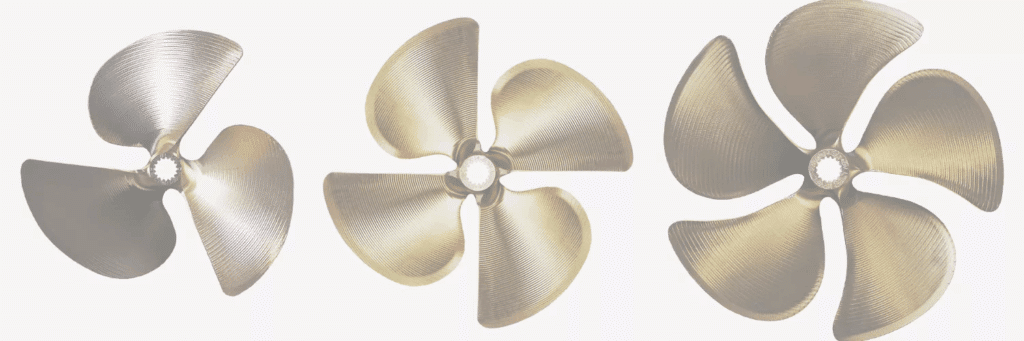
Your favorite water activities help dictate prop selection. An angler creeping through shallows might need the damage tolerance of an aluminum prop, while a speed enthusiast or wakeboarder could value the power benefits of a stainless steel prop.
Boat Type and Size
Different hulls and engine setups suit different props. Large vessels benefit from the durability and performance of stainless steel propellers, whereas smaller craft might thrive with lighter aluminum propellers. If you run a bigger rig with a powerful engine—perhaps utilizing acme propellers or other high-end variants—consider an SS prop for efficient power transfer.
Budget
Costs vary between aluminum and stainless steel. While aluminum and stainless steel both have merits, the higher price of stainless prop may strain your budget. If a premium stainless steel prop isn’t feasible right now, an al prop can serve as an excellent intermediary. You might also keep an affordable spare prop in your kit for emergencies.
Performance Needs
If you push your boat’s speed and acceleration limits, a robust stainless steel model often excels. Casual boaters, or those focusing on a simple ride, may prefer an aluminum option. Talk to a propeller shop for expert insights. They’ll recommend the right prop for your particular usage, ensuring you maximize your boat’s performance while preserving engine life.
Conclusion
Choosing between a stainless steel prop and an aluminum prop comes down to budget, usage style, and vessel configuration. Stainless steel props shine in toughness, responsiveness, and improved fuel economy**, offering superior longevity and power. Meanwhile, an aluminum propeller provides cost savings and user-friendly repairs. Take into account your typical cruising grounds—whether wide-open waters or tight, shallow water channels—and select a prop that complements your needs.
No matter your choice, both aluminum and stainless steel options offer distinct strengths. Keep your boating goals in mind, and consult professionals at PropMD if you need tailored guidance. Whether you rely on outboard motor propeller solutions or you’re scouting high-quality boat propellers for specialized situations, choosing wisely elevates every outing. Ultimately, each material has a place on the water, so weigh your priorities, pick the best fit, and enjoy the rewards of the perfect prop.
Share This Article

Written by : wytlabs
Follow Us
Latest Articles
May 11, 2026
May 11, 2026
May 11, 2026


